Crypto Loan Liquidation Explained
In recent years, the cryptocurrency ecosystem has transformed the way we think about loans and finance. In 2024 alone, $4.5 billion was liquidated due to volatile market conditions. As users flock to crypto lending platforms, understanding crypto loan liquidation becomes increasingly vital. Let’s break down what liquidation means in this context and how it affects borrowers.
What is Crypto Loan Liquidation?
When a user takes out a loan in the crypto space, they typically use their cryptocurrency as collateral. This means that if the value of the collateral drops below a certain threshold, the lending platform has the right to liquidate the collateral to recover the loan amount. This act of forcibly selling the collateral to repay the loan is known as liquidation.
How Liquidation Works
Liquidation can be understood through a simple analogy. Imagine a bank vault where you store your precious items. If the bank uses your items as collateral and their value plummets, the bank has the authority to sell those items to cover your debts.
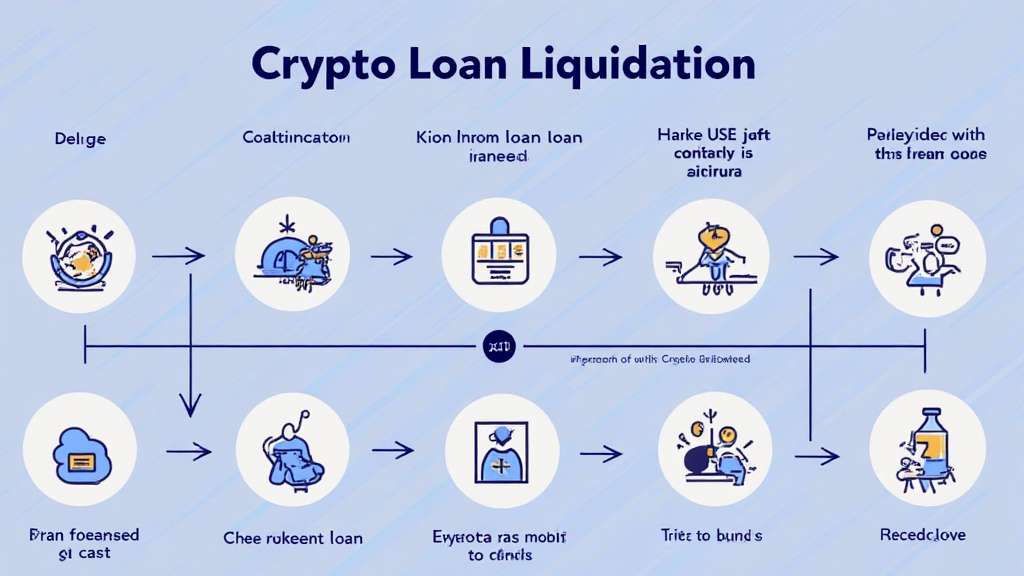
In the case of crypto loans, the process involves several steps:
- A borrower takes out a loan against their crypto assets.
- They receive a loan amount based on the value of their collateral.
- If the collateral’s value drops significantly, the platform triggers a liquidation process.
- The collateral is sold off, and the proceeds are used to pay back the lender.
The Importance of Understanding Liquidation
Understanding liquidation is crucial for crypto borrowers. It helps you assess the risks associated with borrowing against digital assets. The volatile nature of cryptocurrencies means that prices can swing wildly, impacting the likelihood of reaching the liquidation threshold.
For instance, if a borrower lends $1,000 worth of Bitcoin as collateral to secure a $500 loan, **if Bitcoin’s value drops by more than 50%**, they risk having their collateral liquidated. This real-world scenario emphasizes the necessity of closely monitoring market conditions.
Key Factors Contributing to Liquidation
Several factors can contribute to the occurrence of loan liquidation. Here are some of the most prominent ones:
- Market Volatility: Sudden market fluctuations can substantially impact the value of collateral.
- Margin Levels: Different platforms have varying thresholds for liquidation based on their risk management protocols.
- Loan-to-Value (LTV) Ratio: A higher LTV ratio increases the risk of liquidation as it means less cushion against market drops.
- Asset Type: Different cryptocurrencies have varying degrees of volatility; understanding these differences is crucial.
Consequences of Liquidation
The aftermath of liquidation can be detrimental to borrowers. Loss of collateral is the most immediate consequence, alongside potential financial instability. Additionally, repeated liquidations can lead to:
- **Poor credit history:** This may hinder future borrowing opportunities.
- **Loss of trust:** Continuous liquidation could lead to decreased trust in one’s financial decisions.
- **Market influence:** Major liquidations can exacerbate market downturns, leading to a cascading effect.
Preventing Liquidation: Tips for Borrowers
To mitigate the risks associated with liquidation, borrowers should consider the following strategies:
- Maintain an adequate collateral buffer: Lend less than the total value of your assets to create a safety net.
- Diversify collateral: Using different types of crypto as collateral can reduce risks.
- Monitor the market: Stay updated on cryptocurrency price trends to anticipate potential drops.
- Use tools:** Consider tools to track your portfolio’s value and liquidation levels in real-time.
Conclusion
Understanding crypto loan liquidation is essential for anyone venturing into crypto lending. With 4.5 billion dollars lost to liquidation in 2024, the crypto landscape is riddled with risks and rewards. By endorsing best practices and maintaining vigilance, users can navigate these waters effectively. Remember, the crypto world requires responsibility and informed decision-making.
As a borrower, you can take steps to minimize the risks associated with your crypto loans. By being proactive and educated, you can enjoy the benefits of crypto lending without falling prey to liquidation pitfalls.
For more insights, check out hibt.com and dive deeper into understanding decentralized finance!