Unlocking Asset Tokenization Benefits
With an estimated $4.1 billion lost to digital asset hacks in 2024, the asset tokenization landscape has become increasingly critical for investors, builders, and financial institutions around the globe. At the forefront of this revolution lies the notion of securing and optimizing assets through the power of blockchain technology. This article explores the benefits of asset tokenization in depth, aiming to showcase its substantial potential in modern financial frameworks, with a specific look at its impact on emerging markets like Vietnam.
What is Asset Tokenization?
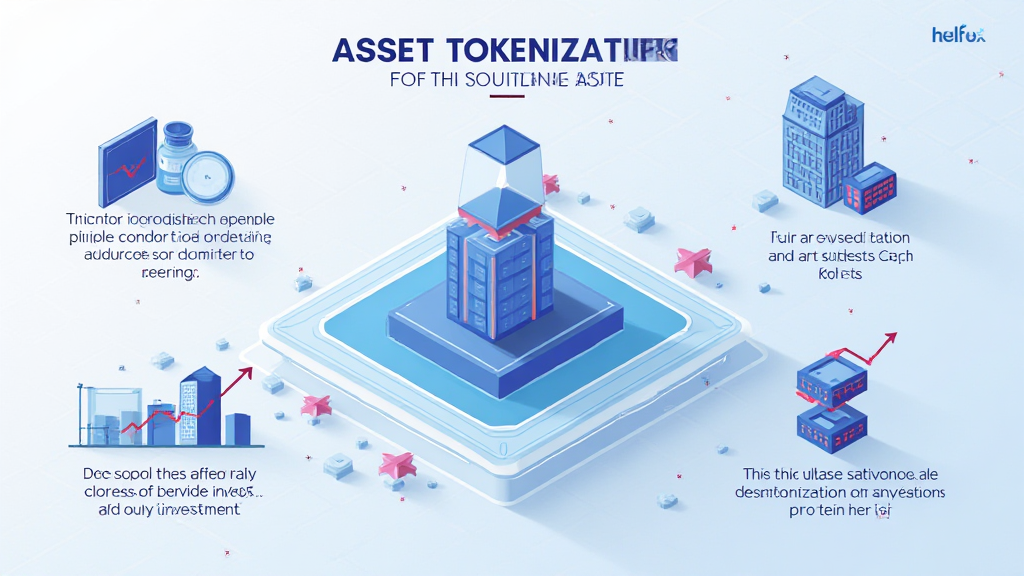
Asset tokenization refers to the process of converting physical or non-physical assets into digital tokens that can be traded on a blockchain. This not only facilitates ownership transfer more efficiently but also democratizes access to investment opportunities. As blockchain technology develops, so do the opportunities and benefits associated with tokenized assets.
Benefits of Asset Tokenization
1. Enhanced Liquidity
- Tokenization allows traditional illiquid assets, such as real estate or artworks, to be fractionally owned and traded.
- According to a recent study, asset liquidity can improve by over 70% when tokenized.
This means that investors can buy and sell portions of expensive assets, rather than the whole asset, similar to how stocks work on the exchange.
2. Fractional Ownership
- This opens up investment opportunities to a broader audience.
- Individuals can now invest smaller amounts into high-value assets, thus lowering the barrier to entry.
For example, a multi-million dollar property can be tokenized, allowing multiple investors to own a fraction rather than needing a single buyer.
3. Increased Transparency
- The use of blockchain ensures that all transactions are recorded and immutable, increasing trust among parties involved.
- This transparency can help reduce fraud and disputes, as every transfer of ownership is recorded.
This feature is especially significant in markets prone to corruption or bureaucratic inefficiencies.
4. Lower Transaction Costs
- By reducing the number of intermediaries involved in transactions (like banks and brokers), blockchain can significantly lower fees.
- Costs can be cut down by as much as 80% in tokenized asset transactions.
For example, a real estate transaction that typically involves multiple agents and paperwork can be completed digitally on a blockchain network.
5. Accessibility to Global Markets
- Investors can access global assets without the need for a domestic broker.
- This global reach increases the pool of potential investors and opportunities.
The growth of the Vietnamese cryptocurrency market, particularly, is a testament to the increasing demand for global access among local investors.
The Case for Vietnam
Vietnam is an emerging market with substantial opportunities for asset tokenization. With an increasing internet penetration rate (over 70%) and a young, tech-savvy population, the demand for efficient investment tools is skyrocketing. Asset tokenization can provide significant benefits for Vietnam’s burgeoning middle class and ambitious entrepreneurs.
Emerging Trends in Vietnam
- The Vietnamese cryptocurrency user base grew by 40% year-on-year, reflecting a growing interest in blockchain technologies.
- Policies from the government are becoming increasingly favorable towards blockchain innovations.
As a result, the adoption of asset tokenization can lead to a more robust investment landscape, providing Vietnamese investors with innovative avenues to grow wealth.
Potential Challenges in Asset Tokenization
1. Regulatory Issues
Despite the promising benefits that asset tokenization offers, regulatory concerns remain a challenge. Governments are still trying to catch up to the rapid innovations in blockchain technology, creating uncertainty for potential investors.
2. Technical Limitations
As with any technology, the implementation of blockchain solutions can face scalability and security challenges that must be addressed to earn widespread trust.
Conclusion: Embracing the Future
The potential of asset tokenization is immense, providing innovative and efficient solutions to age-old issues surrounding asset ownership and transfer. As more individuals and institutions recognize the advantages of tokenization—enhanced liquidity, fractional ownership, transparency, and reduced costs—the financial landscape is likely to shift dramatically.
In emerging markets like Vietnam, asset tokenization offers unique opportunities that can empower a new generation of investors and entrepreneurs. The future appears bright, but it is essential to navigate the regulatory maze to secure the full spectrum of benefits.
In summary, understanding the
For further insights into the blockchain landscape, consider checking out resources from hibt.com to stay updated.
As we continue to explore these advancements in the digital realm, firms like Okhashcoin will play vital roles in shaping this future.
Author: Dr. Jane Smith, a blockchain consultant with over a decade of experience in the crypto space, has published over 15 papers on digital currency regulation and has led audits for several notable projects worldwide.